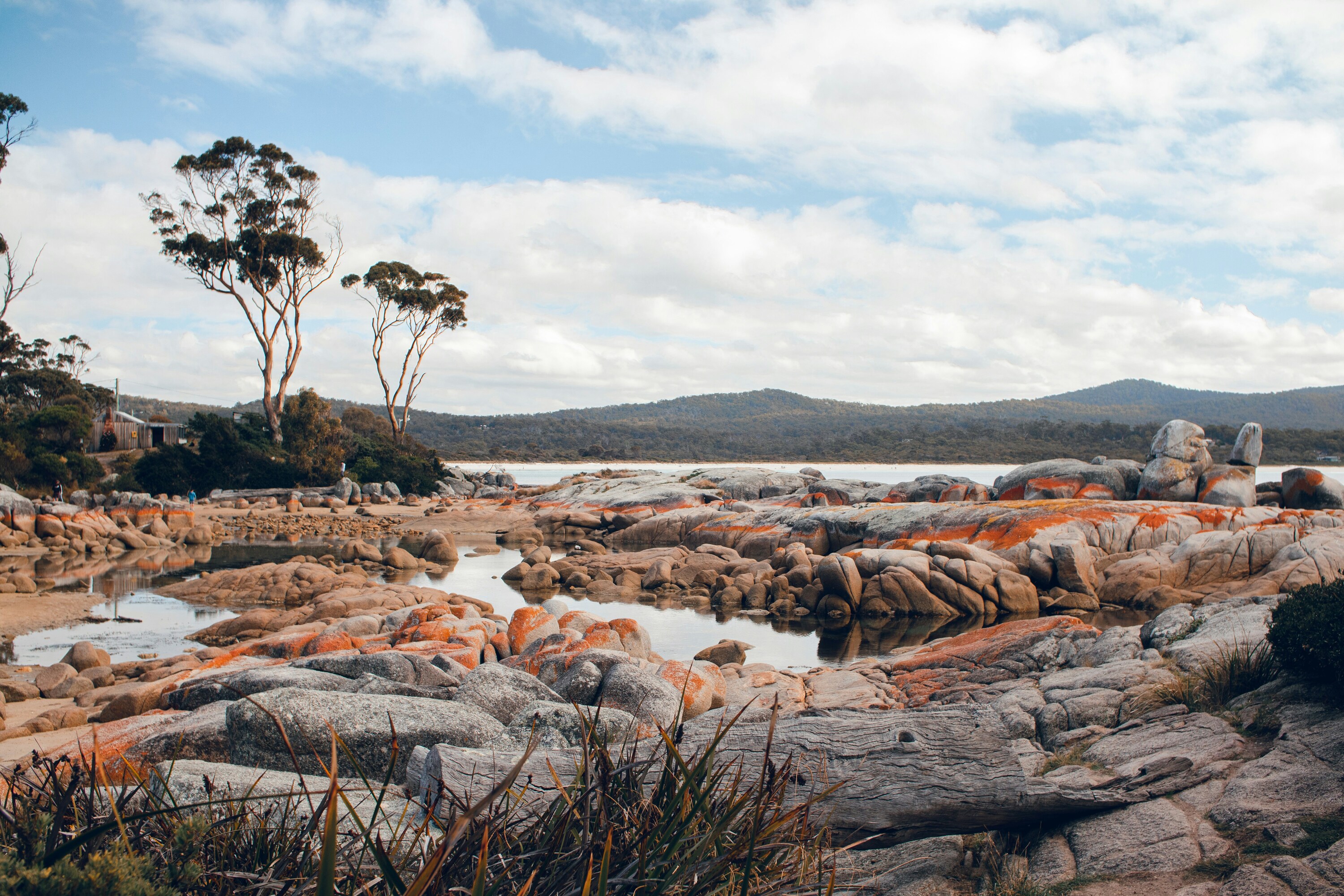
There is a distinct shift in the air when you land in Tasmania. It is crisper, cleaner—literally the cleanest air in the world, carried across thousands of kilometres of untouched ocean before hitting the rugged west coast. This purity infuses everything, from the produce grown in the Huon Valley to the sparkling waters of the Freycinet Peninsula.
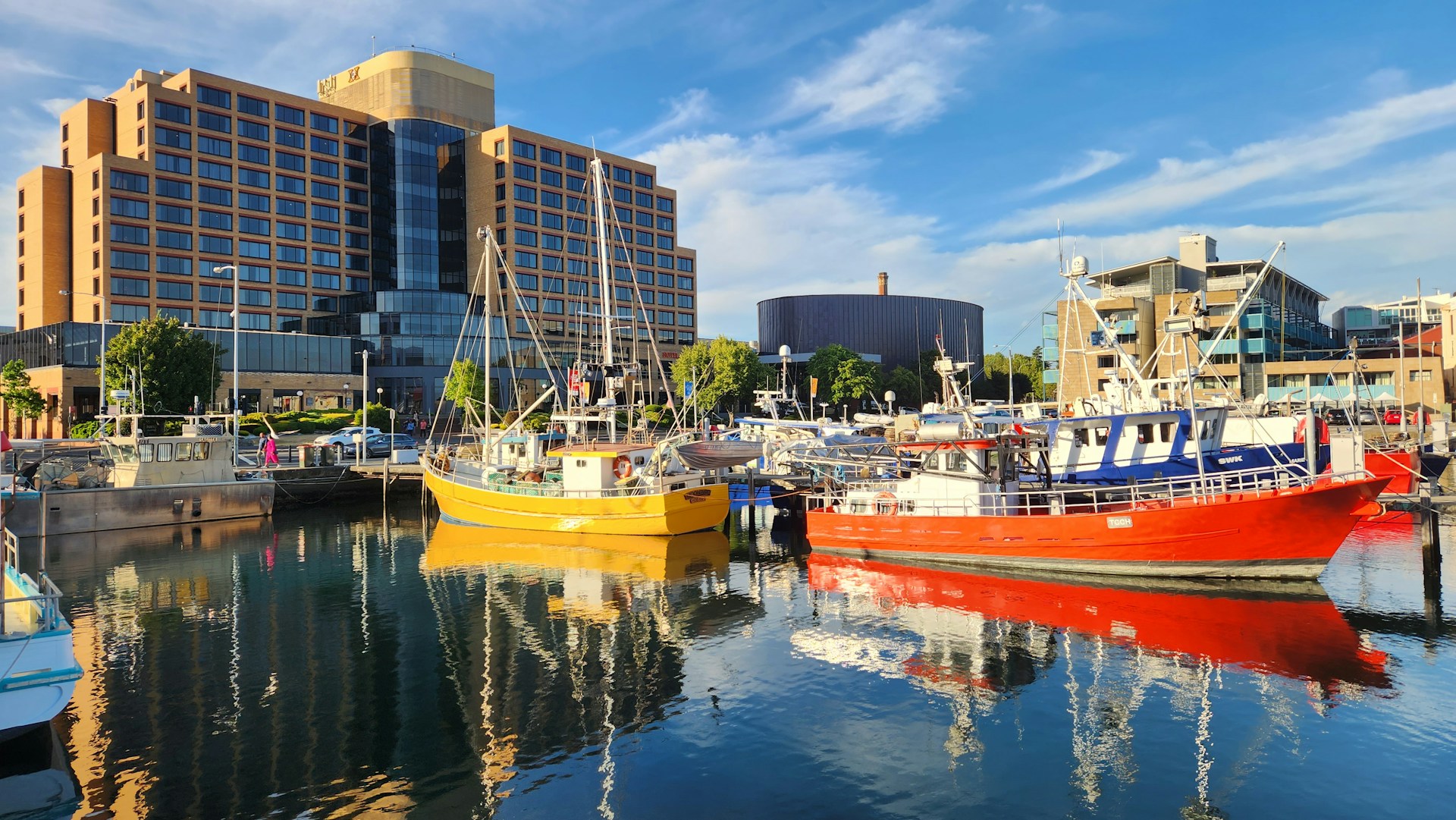
Hobart, the capital, rests in the shadow of Mount Wellington (kunanyi). Once a sleepy colonial outpost, it has transformed into a cosmopolitan hub where history and avant-garde art collide. The Salamanca markets on a Saturday morning are a ritual of sandstone and sunshine, while just up the river, MONA (Museum of Old and New Art) challenges perceptions and draws visitors into a subterranean labyrinth of the strange and beautiful.
Into the Wilderness
But the true soul of Tasmania lies beyond the city limits. To the west, the World Heritage Area offers a landscape that remains largely unchanged since Gondwana. Here, jagged peaks pierce the clouds, and button grass plains stretch to the horizon. Cradle Mountain is the crown jewel, offering hikers a journey through moss-covered forests that feel lifted from a fairy tale, culminating in the reflection of the dolerite summit in Dove Lake.
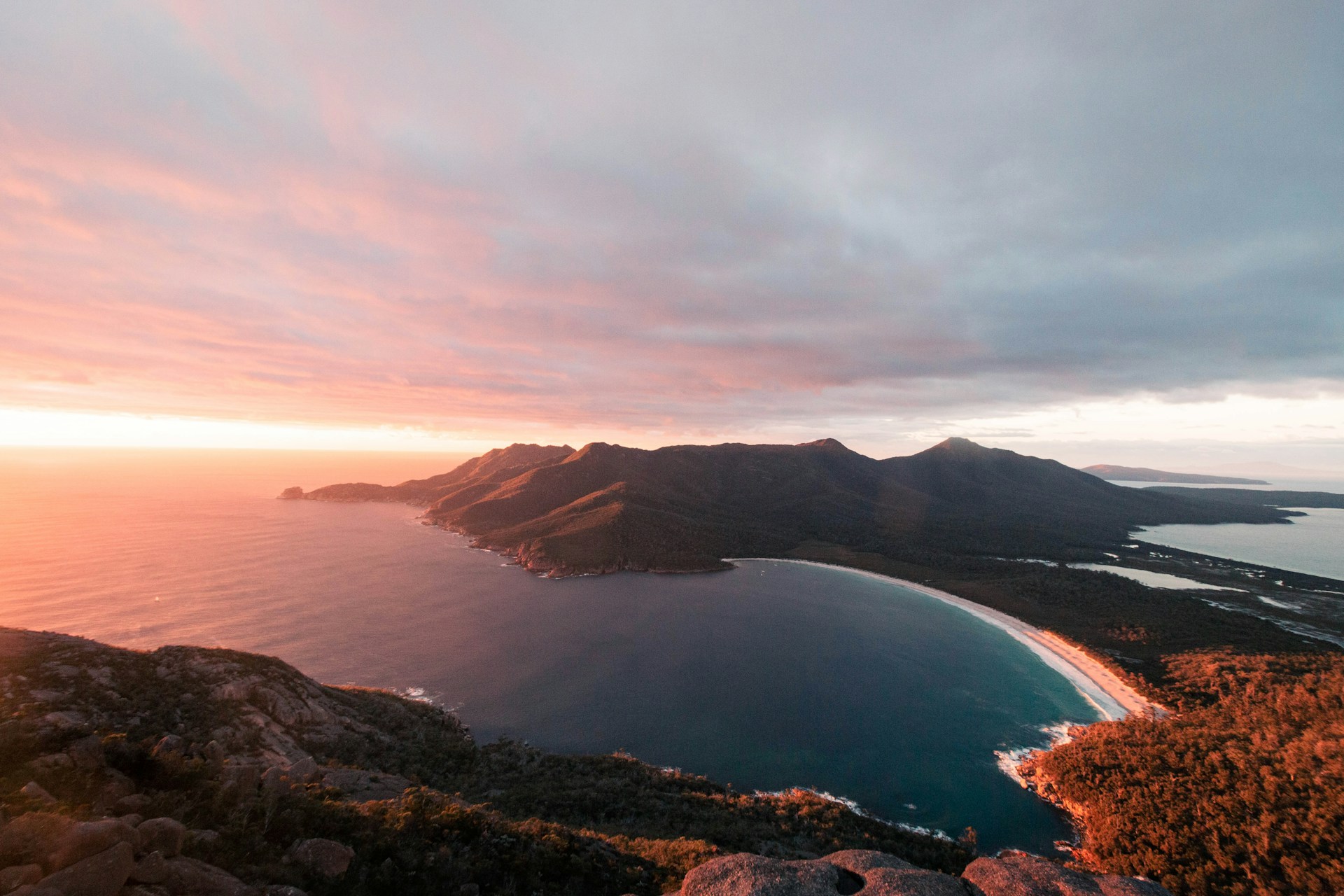
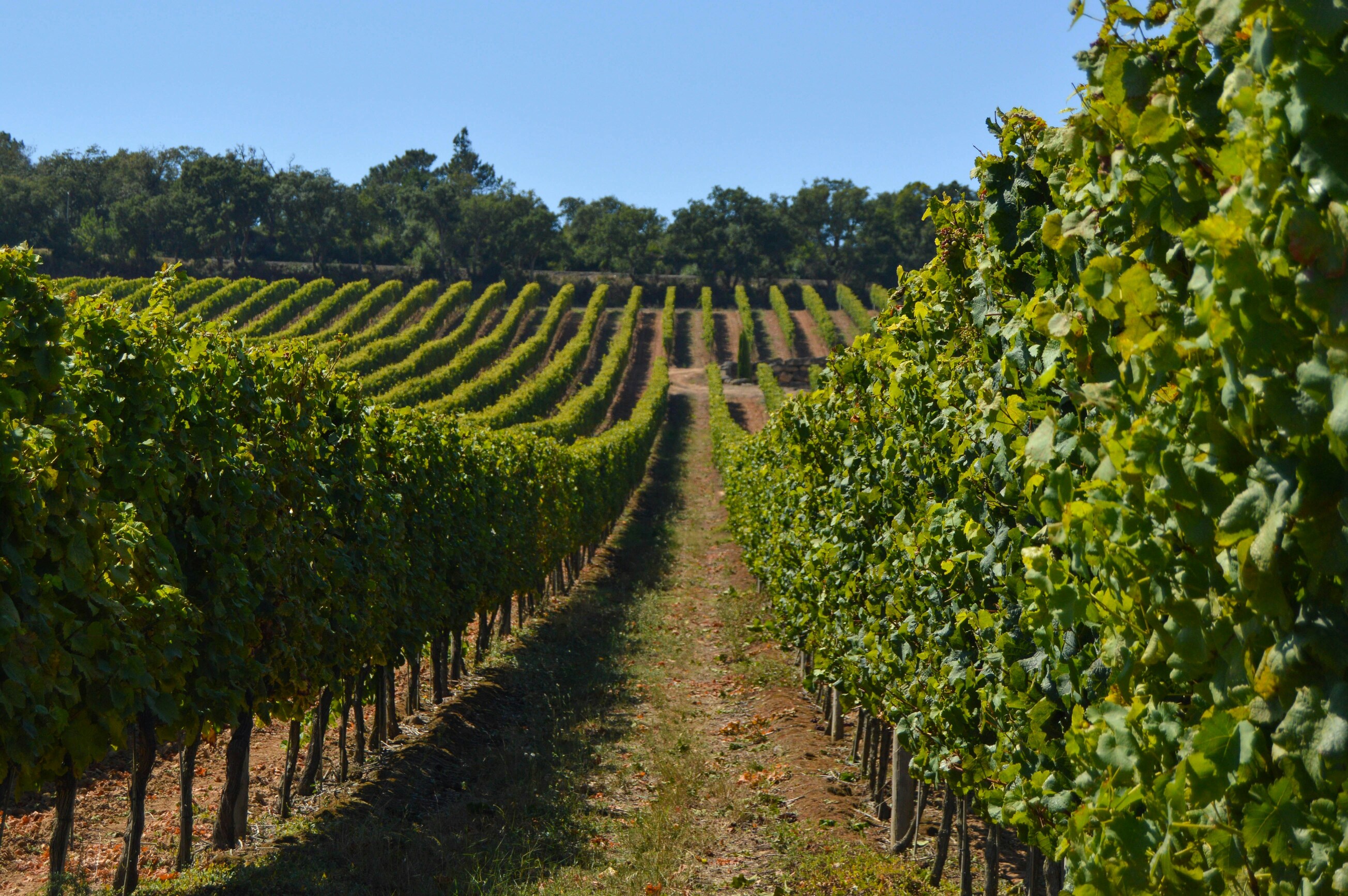
On the east coast, the mood softens. The Great Eastern Drive winds past vineyards producing world-class Pinot Noir and seaside towns where fresh oysters are shucked straight from the lease. Wineglass Bay, with its perfect curve of white sand and turquoise water, demands the hike to the lookout, a view that has launched a thousand postcards but still manages to take your breath away in person.
Tasmania is not just a destination; it is a feeling. It is the warmth of a whisky by the fire as a storm rolls in off the Southern Ocean, and the silence of a forest so old it forgets time. It is rugged, refined, and utterly unforgettable.