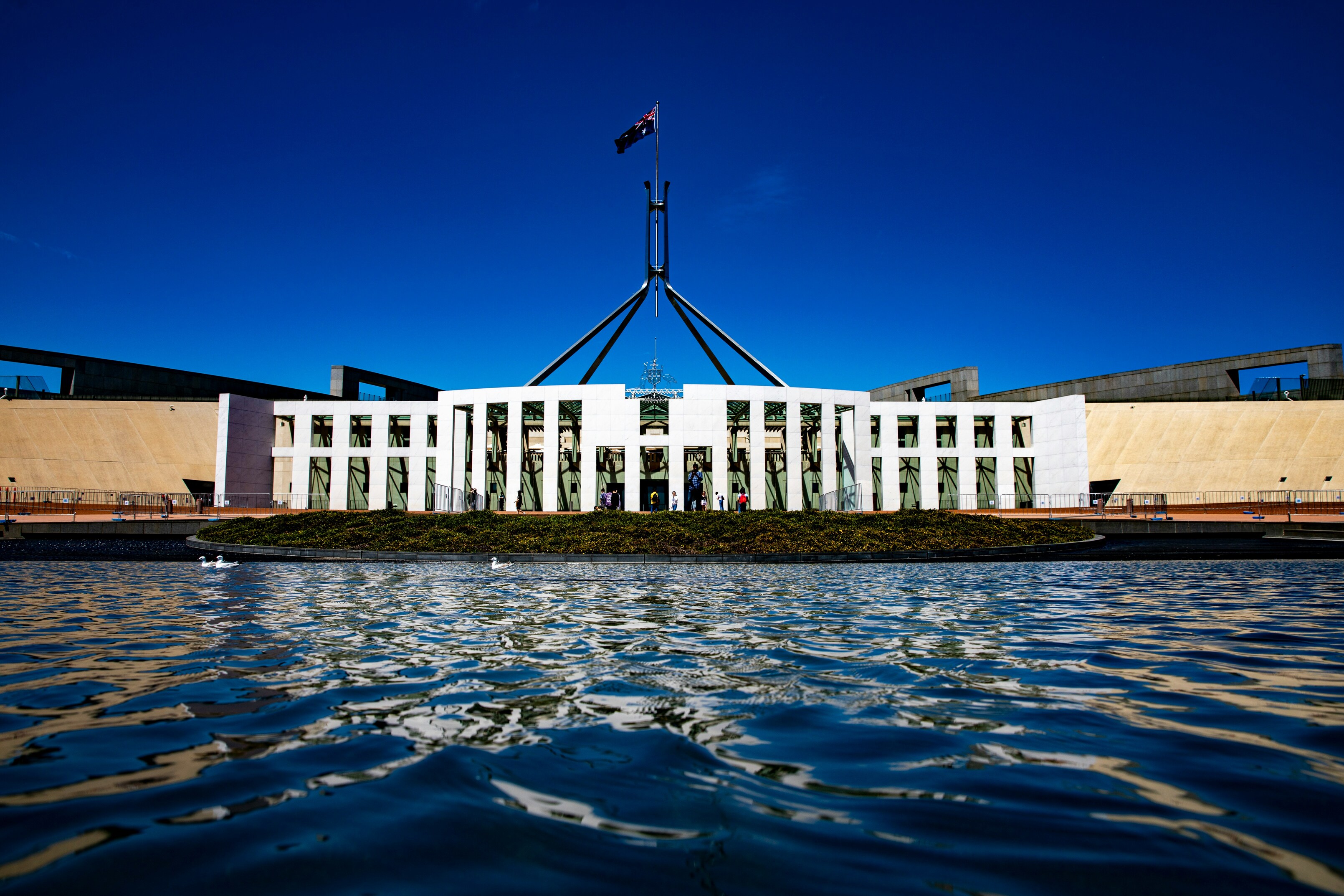
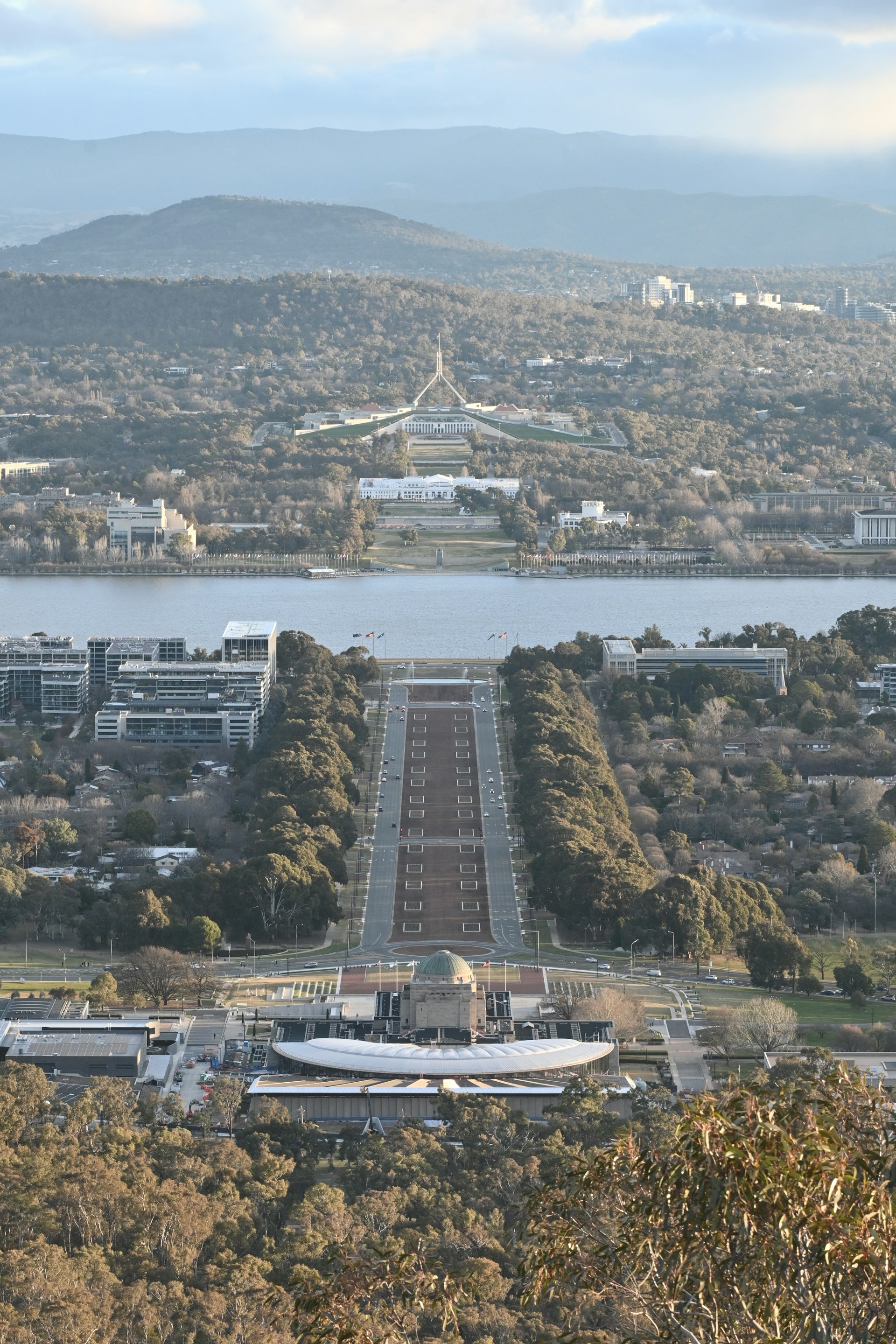
There is a quiet confidence to Canberra these days. Designed by Walter Burley Griffin and Marion Mahony Griffin, the city was always destined to be beautiful, but for decades it felt unfinished. Now, the vision is complete. The geometric perfection of the parliamentary triangle is softened by the changing colours of the seasons—deep reds in autumn, vibrant blossoms in spring—and the ever-present backdrop of the Brindabella Ranges.
To visit the ACT is to engage with the nation's story. The Australian War Memorial stands not just as a monument, but as a deeply moving museum of sacrifice. Down by the lake, the National Gallery of Australia houses the world's largest collection of Aboriginal and Torres Strait Islander art, alongside Jackson Pollock's controversial 'Blue Poles', a symbol of the city's artistic bravery.
Cool Climate, Cool Culture
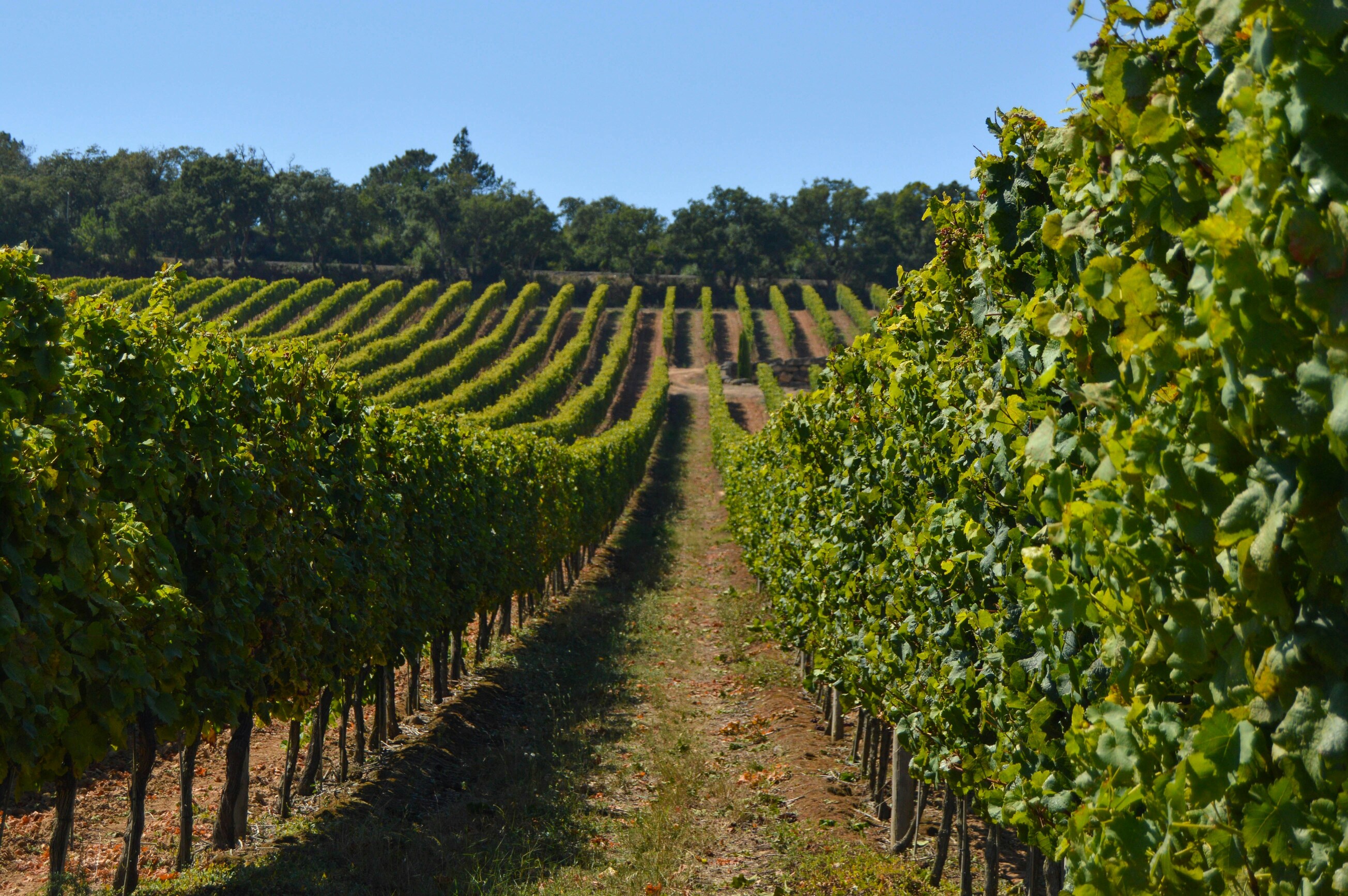
But the real revolution in the capital is happening on the plate and in the cup. The suburbs of Braddon and NewActon have transformed into culinary precincts that rival Melbourne's laneways. Here, baristas treat coffee with the reverence of a religion, and chefs embrace the region's cool-climate produce. Truffles, cold-climate wines, and smoked meats are staples of the local diet.
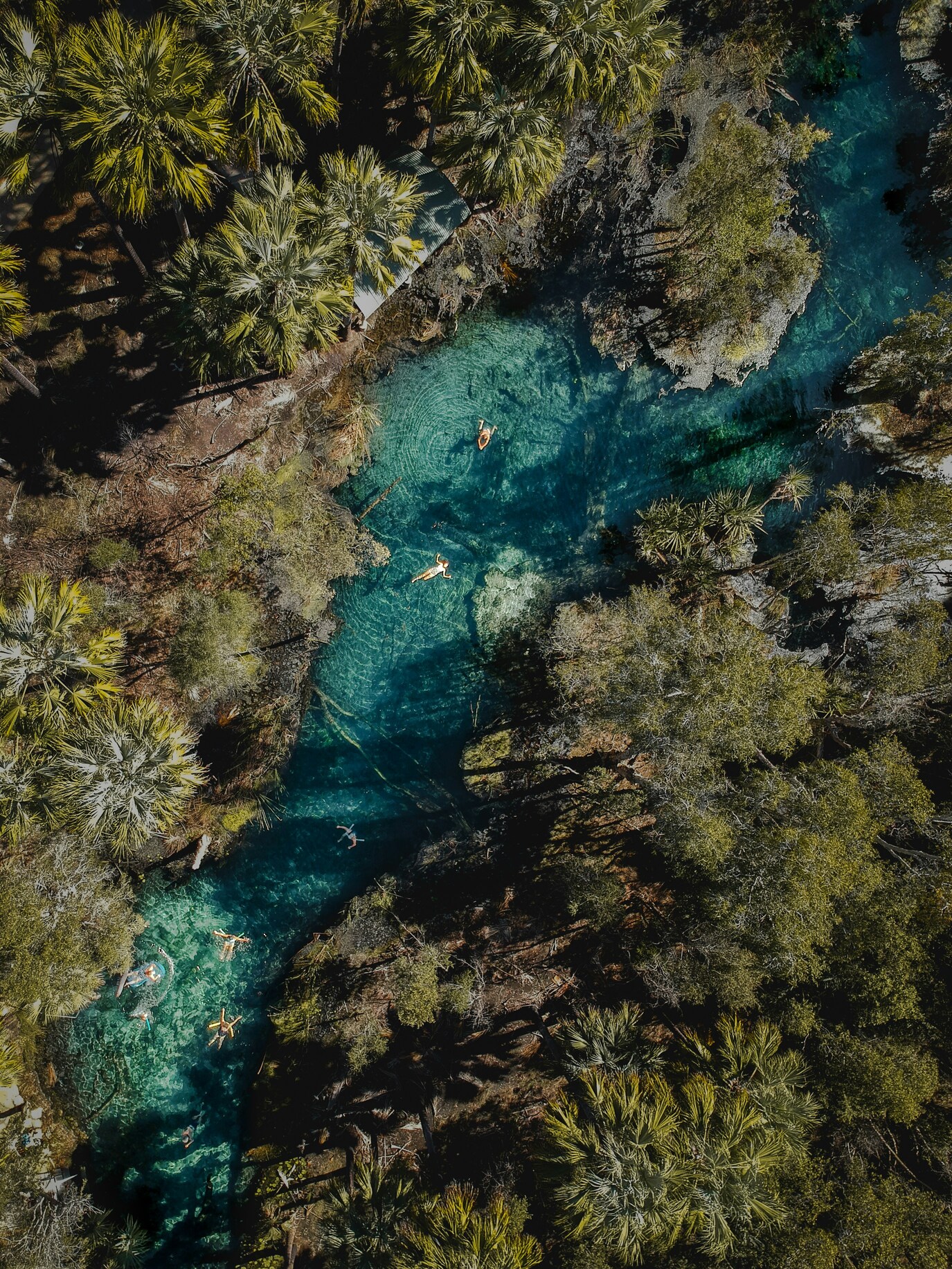
Unlike other Australian cities, nature here isn't a destination; it's the fabric of the place. You can paddle board on Lake Burley Griffin at dawn as hot air balloons drift silently overhead, or be hiking in the granite wilderness of Namadgi National Park within 40 minutes of leaving your hotel. In winter, the air is crisp and smells of woodsmoke, and snow dusts the nearby peaks, offering a true alpine experience rare in this sunburnt country.
The ACT proves that a planned city doesn't have to be sterile. It is a place of grand boulevards and hidden gems, where national treasures sit comfortably alongside local secrets.